Science fiction has always been the genre that gets to ask the uncomfortable questions — about what it means to be human, about who counts, about where we’re headed and whether we can stop it. The 2020s have been a remarkable period for the genre, perhaps because the questions got so much more urgent. Climate catastrophe, artificial intelligence, digital identity, pandemic, surveillance — the genre suddenly had more material than it could use. These are the films that met the moment with imagination and intelligence.
— — —
- Dune: Part One (2021)
Denis Villeneuve’s adaptation of the unfilmable finally happened, and it was magnificent. More than that, it was patient — trusting that audiences could handle an epic without constant narrative hand-holding. The world-building is extraordinary, the visual grammar is genuinely new, and the treatment of colonialism and messianic mythology is more sophisticated than the source material’s original reception suggested.
- Everything Everywhere All at Once (2022)
The Daniels’ Oscar-sweeping multiverse comedy-drama is going to be studied partly as a cultural object — the film that articulated Gen X/millennial burnout, immigrant family dynamics, and quantum physics all in the same movie — and partly as a purely formal achievement. The editing language it created is already influencing genre cinema.
- Annihilation (2018, but its influence peaks now)
Alex Garland’s adaptation of Jeff VanderMeer’s novel remains one of the most genuinely uncanny science fiction films made this century. Its influence on literary sci-fi aesthetics — the alien as unknowable, horror as a byproduct of encountering truly different intelligence — has been immense in the decade since.
- Finch (2021)

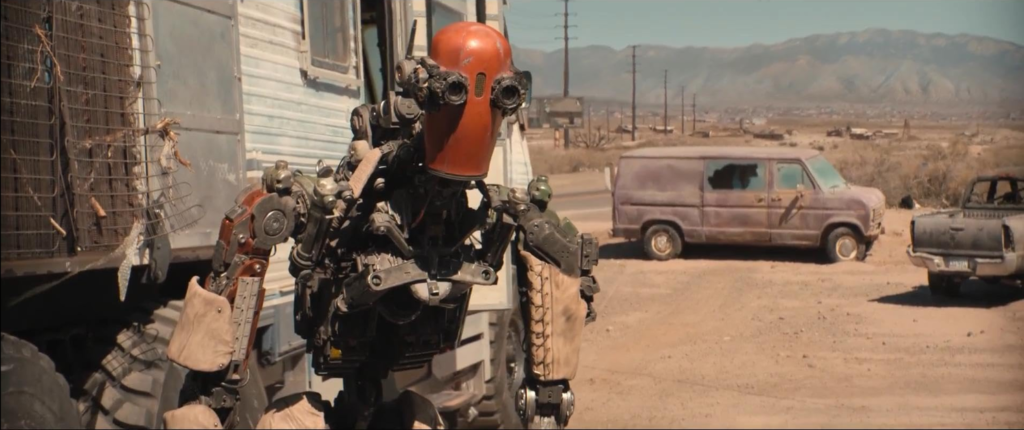
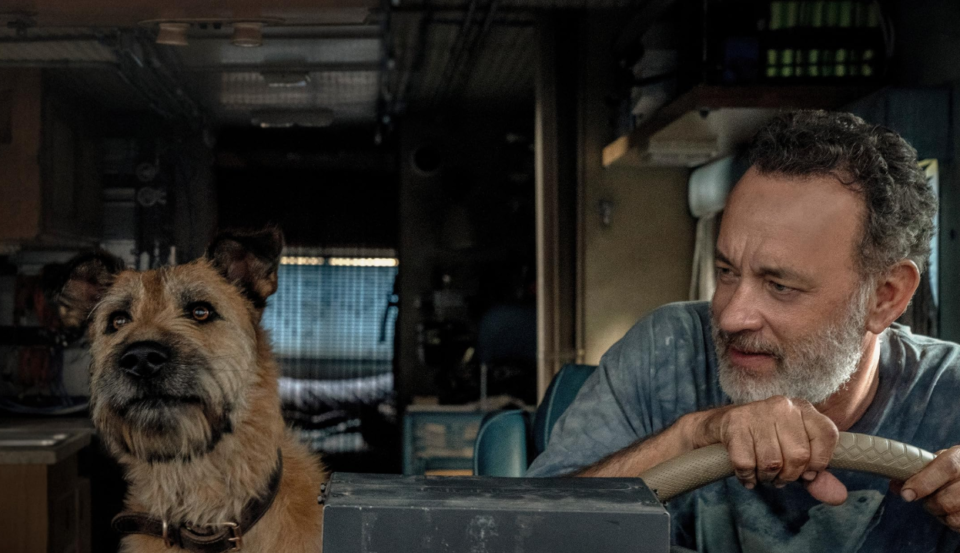
Underrated at release, this Miguel Sapochnik film about an elderly engineer and his robot companion crossing a post-apocalyptic United States is one of the most emotionally honest sci-fi films of recent years. Tom Hanks’ performance and the film’s engagement with loneliness, mortality, and what we leave behind will ensure longevity.
- The Creator (2023)
Gareth Edwards’ original sci-fi film about AI in the context of a future war between humans and artificial intelligence was dismissed by some critics as derivative but will be reassessed. Its visual intelligence — borrowing from documentary tradition to make the future feel real — is genuine and influential. The questions it asks about what constitutes consciousness matter.
- After Yang (2021)
Kogonada’s meditative, achingly beautiful film about a family processing the death of their android companion is one of the most emotionally sophisticated sci-fi films made in years. The film thinks carefully about memory, consciousness, and what we owe to the minds we create. Justin H. Min is extraordinary.
- Vesper (2022)
The Lithuanian-French-Belgian science fiction film from Kristina Buožytė and Bruno Samper is set in a beautifully realised future of biopunk collapse — all dying ecosystems and genetic engineering run amok. It’s the kind of mid-budget European science fiction that Hollywood has abandoned and sorely needs.
- Infinite Storm (2022)
While not strictly genre sci-fi, Małgorzata Szumowska’s film about a mountain rescue worker who finds a mysterious man during a snowstorm operates as philosophical thriller with science-fiction underpinnings about identity and consciousness. It’s more formally interesting than its quiet release suggested.
- Dual (2022)
Riley Stearns’ deadpan comedy about a woman who must fight her clone to the death is one of the most underrated sci-fi films of the decade — using the premise to explore questions about identity, self-worth, and what makes a person valuable with genuine philosophical wit. Karen Gillan is perfect.
- I’m Thinking of Ending Things (2020)
Charlie Kaufman’s film belongs here as much as in the hidden gems list — it is fundamentally a science fiction film about the nature of consciousness, memory, and subjective time. Its formal innovations will be dissected in film schools for decades. It’s also genuinely one of the most upsetting films made this century.
Fifty years from now, film studies students will reach for these films to understand how early 21st-century humanity grappled with the particular anxieties of its moment. The best science fiction is always ultimately about the present.