

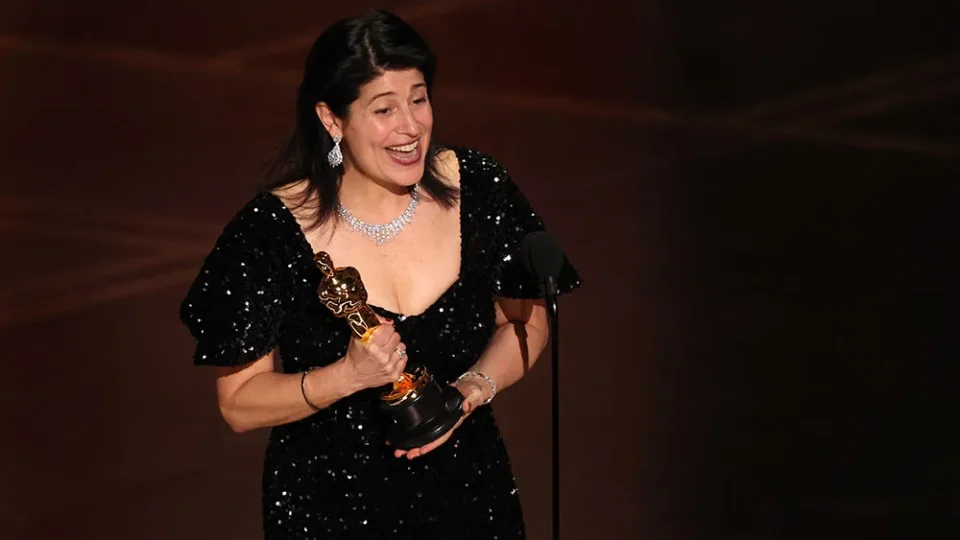
The 2026 Academy Awards introduced a brand-new category honoring casting directors for the first time in the ceremony’s nearly century-long history.
—————————–
LOS ANGELES — In a landmark moment for the film industry, the Academy of Motion Picture Arts and Sciences presented its first-ever Oscar for Achievement in Casting at the 2026 ceremony, formally recognizing the contributions of one of Hollywood’s most essential but historically overlooked creative disciplines.
Sinners casting director Francine Maisler, the heavy pre-ceremony favorite, was widely considered the frontrunner heading into the night, having assembled the cast for Ryan Coogler’s blockbuster vampire period piece — a film that launched the career of Miles Caton, a young New Yorker who was opening on tour for R&B singer H.E.R. when Maisler discovered him. Maisler conducted a worldwide search for the role of Sammie, the young blues musician at the heart of Sinners, ultimately finding Caton through a self-tape submission.
Also nominated were Nina Gold for her work on the Shakespeare family tragedy Hamnet — in which Gold not only identified Jessie Buckley to play William Shakespeare’s wife Agnes but orchestrated a script reading between Buckley and Paul Mescal to confirm their chemistry — and Jennifer Venditti for Marty Supreme, as well as Cassandra Kulukundis for One Battle After Another.
The inclusion of casting in the Academy’s competitive categories marks a profound shift in how the institution values the people who shape the emotional alchemy of a film before a single frame is shot. Casting directors, the majority of whom are women, have spent decades advocating for formal recognition, arguing that their work — which involves not only identifying individual performers but constructing the ensemble chemistry that determines whether a film lives or dies — is as creatively significant as any other craft honored at the ceremony.
Nina Gold, a British casting director with more than 30 years in the industry, told reporters that she hoped the nomination would help audiences understand that casting is a genuinely creative endeavor, not merely a logistical function.
The historic first-time category was celebrated across the industry, with many longtime practitioners describing the moment as overdue validation for a profession that has shaped some of cinema’s most celebrated performances without receiving comparable public recognition.