

For filmmaker Maite Uzal, real creativity kicks off the second you stop waiting for a green light or permission from the industry. Originally driven by the need to carve out her own opportunities as an actress, she grabbed the reins behind the camera, weaponising writing and directing as the ultimate extensions of her artistic voice.
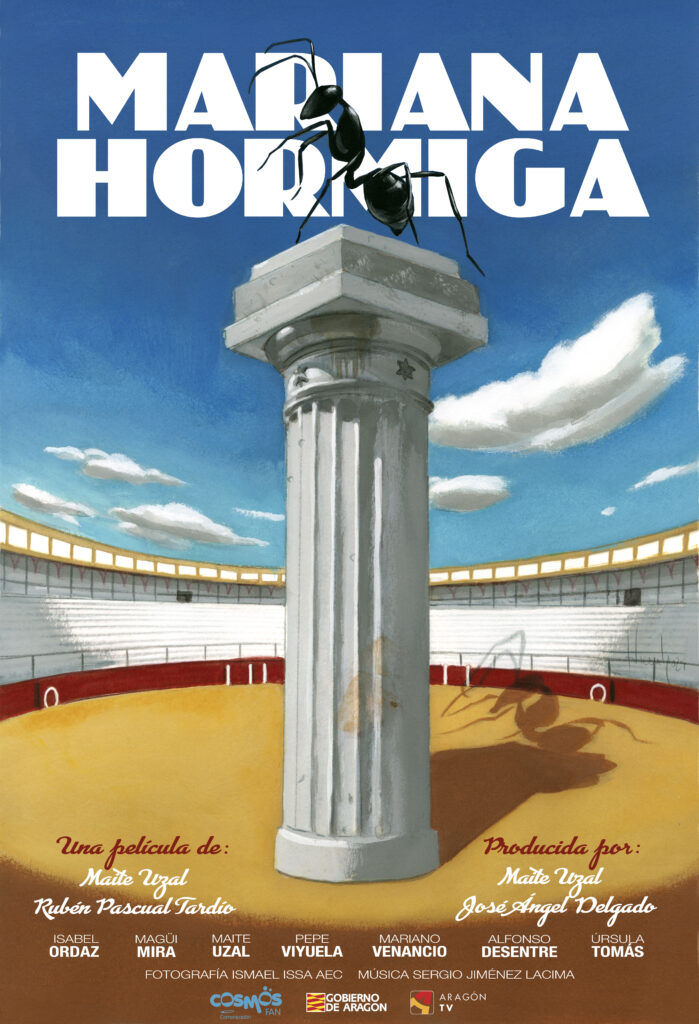
That exact no-nonsense, fearless approach runs deep through Mariana Hormiga, a whimsical yet biting satirical fable that seamlessly fuses raw folklore, dark fantasy, and sharp personal observations about human nature. Fueled by childhood wonder, old-school traditional storytelling, and a fierce determination to protect her vision from cheap industry trends, Uzal has forged a film that drags audiences straight into the strange, enchanting world of Thorbat, a place where raw imagination runs the show and every single fairy tale carries a sting beneath its magic.
In this chat, she invites us into the imaginative world of Mariana Hormiga.
- Maite Uzal, how has your journey as a filmmaker been so far?
Maite: My being a filmmaker has always been related to the need that the actress has had to work and continue to be involved in projects. First, I did that being only a producer, and lately I’ve moved on to also writing and directing.
- You have mentioned before that you are “forever a child.” How does that mindset influence the way you create cinema?
Maite: Children preserve a brutal honesty and are more in touch with raw, unfiltered emotions and fantasy than adults, generally speaking. These are some traits of the child-like mindset that I like to distil into my films.
- ‘Mariana Hormiga’ feels like a film born from pure imagination. At what point did you realise this story was something you needed to make, regardless of whether it fit industry expectations or trends?
Maite: The moment I finished writing the first draft of the script. There are a few things in the film that I had the need to scream out loud, as a person, behaviours from other people that drain me in my day-to-day life, and I had the need to express that somewhere or somehow, rather than walking the streets yelling them out hahaha. I felt that this tale was a good outlet for that.
- Satire walks a fine line between humor and disrespect. How did you ensure that the film maintained empathy for its characters despite the darker and stronger themes of the story?
Maite: First of all, ensuring that they had a strong and clear objective and secondly, trying to find humour for them as much as possible. This is something I was particularly careful about regarding the character of the Mother.
- In the casting process of this film, what specifically were you looking for?
Maite: Generally speaking, good committed actors that we on board with this very peculiar story and ready to trust me in the creation of this fictional, fantastic universe, aka, “the faraway region of Thorbat”. For young Mariana, specifically, I prioritised the fact that she was a “jota” singer, not necessarily an actress, because I had it very clear in my mind that I wanted the song filmed live and not dubbed.
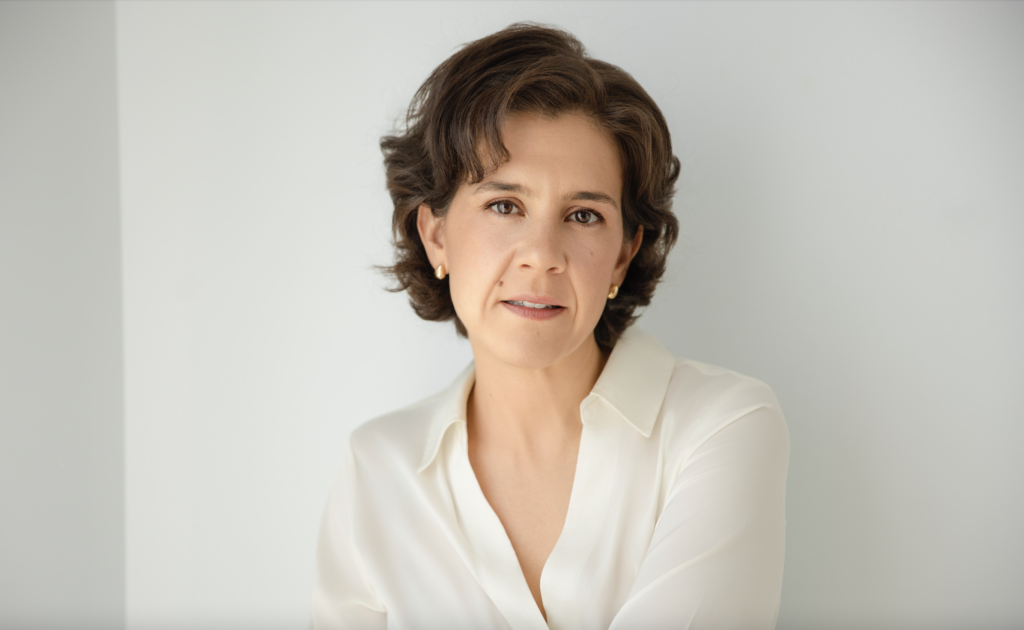
- Also, you play the Young mother and then later on the adult Mariana in this film. How important was it for you to play these roles yourself?
Maite: Like I said, the fact that I decided to jump into filmmaking was originally motivated by the need that I had as an actress to work and not be “sitting by the phone” waiting for a call. I thought that playing two very different characters could showcase my abilities well. Playing adult Mariana was also an opportunity to showcase a side of me that doesn’t often get noticed by casting directors because her vulnerability and naiveté is not something that I naturally bring into the room in real life.
- Were there any specific childhood films or storybooks that inspired the film’s fairytale structure?
Maite: Most definitely: Disney’s Robin Hood, in terms of aesthetics, and the fable of the ant and the grasshopper.
- How collaborative was the process with your cinematographer, costume designers and art department in achieving the film’s dreamlike world?
Maite: It depends on the scene and the “item” we’d be discussing. There are certain things like the book where I allowed very little to zero collaboration, because I had done a lot of research on the matter and had very clear ideas of how and why I wanted things done in a certain way, so I basically said, “can you please do this exactly like this”, but other areas I was quite open to suggestions and to coming up with final concepts together. This also applies to the development of characters: I had long talks with the actors explaining the characters and then I was totally open to them getting creative with them and surprising me with deliveries or moments I hadn’t thought about.
- Did you ever worry that audiences might misunderstand or reject this film in any way?
Maite: Not really. My only goal with this film was to take to the screen exactly what I had in my mind and the way I felt it and pictured it. How a person receives that is then out of my control. And since I assumed all the financial risk, I didn’t have to please anyone with economic results.
- Lastly, what do you hope audiences feel once the film ends? Should it be confusion, wonder, discomfort, nostalgia, or perhaps all of those emotions at once?
Maite: This is a most wonderful list of emotions that one could experience watching the film, and ideally, I would love for audiences to experience them all. It would be something like “wow, wait a minute…what did I just watch? Let me see that again”.
What hits you hardest after talking with Maite Uzal is her unwavering, iron-clad commitment to her own authenticity. Whether she’s breaking down her childlike approach to creativity, her meticulous attention to visual design, or her absolute willingness to take massive artistic risks without pandering to audience expectations, she stays entirely devoted to bringing her imagination to the screen completely unfiltered.
At the end of the day, Mariana Hormiga is a celebration of pure creative freedom. This film has the guts to be playful, surreal, provocative, and emotionally honest all at once. And if audiences walk away feeling a chaotic mix of wonder, confusion, nostalgia, and curiosity, then Maite Uzal has hit her target, proving that the real victory is forcing us to drop our guard and look at the world through fresh eyes again.