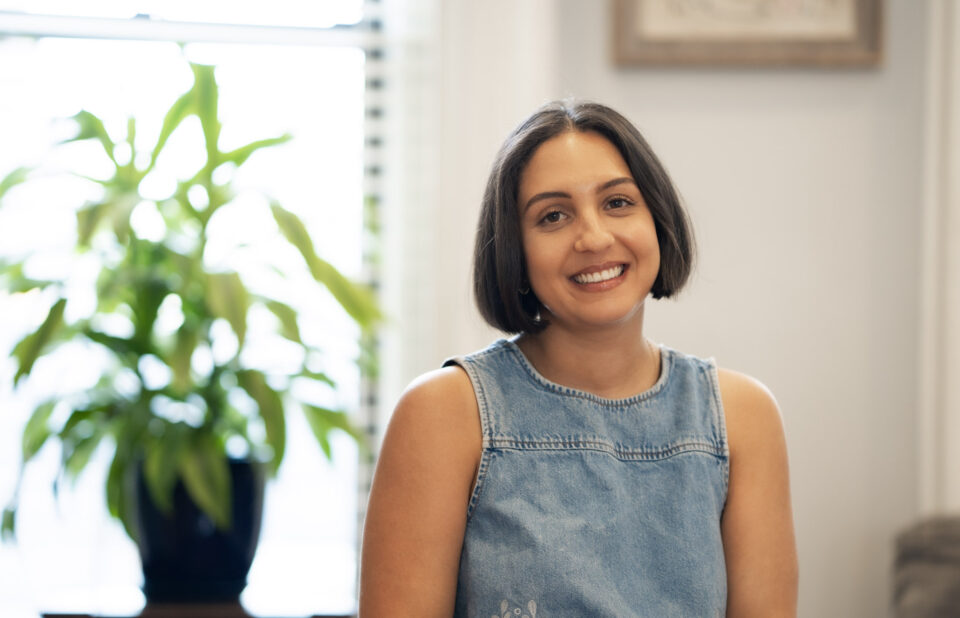
- Rachel, what initially drew you to filmmaking and particularly the aspect of producing?
Rachel: Before production, I was a full-time film programmer, which I considered my dream job. What I loved was connecting audiences with films: curating for what an audience wants or needs, and being the string between the two. I got to hear from audience members how films impacted their lives, and from filmmakers how much reaching those audiences meant to them.
In grad school, I tried out producing to understand the other side of the storytelling process, where ideas become reality. Once I understood how hard making movies actually is, I had newfound respect for filmmakers, and my tastes and approach to programming evolved, ultimately making me a better programmer. Besides thinking I’m actually pretty good at producing, my “why” for working in film remains the same: being the connector. I get to believe in a story and a storyteller, help bring it to life, and keep connecting audiences and filmmakers.
- Would you say your experiences in the industry so far have shaped the kinds of stories you are interested in bringing to the screen?
Rachel: Definitely, the stories I hope to bring to the screen will always fall under the motto “make the content you want to see.” Often that means untold stories, told through a unique lens, about communities whose stories aren’t always prioritized: stories about women, coming-of-age, marginalized communities, navigating mental health, and nuanced issues like being mixed race. I also love character-driven stories that convey everyday life while exploring something deeper, and that includes rom-coms! So far I’ve been lucky to touch on many of these areas in the films and commercial content I’ve produced. Now I’m seeking these stories out even more, and connecting with storytellers whose scripts speak to me on a more personal level and challenge me both personally and professionally.
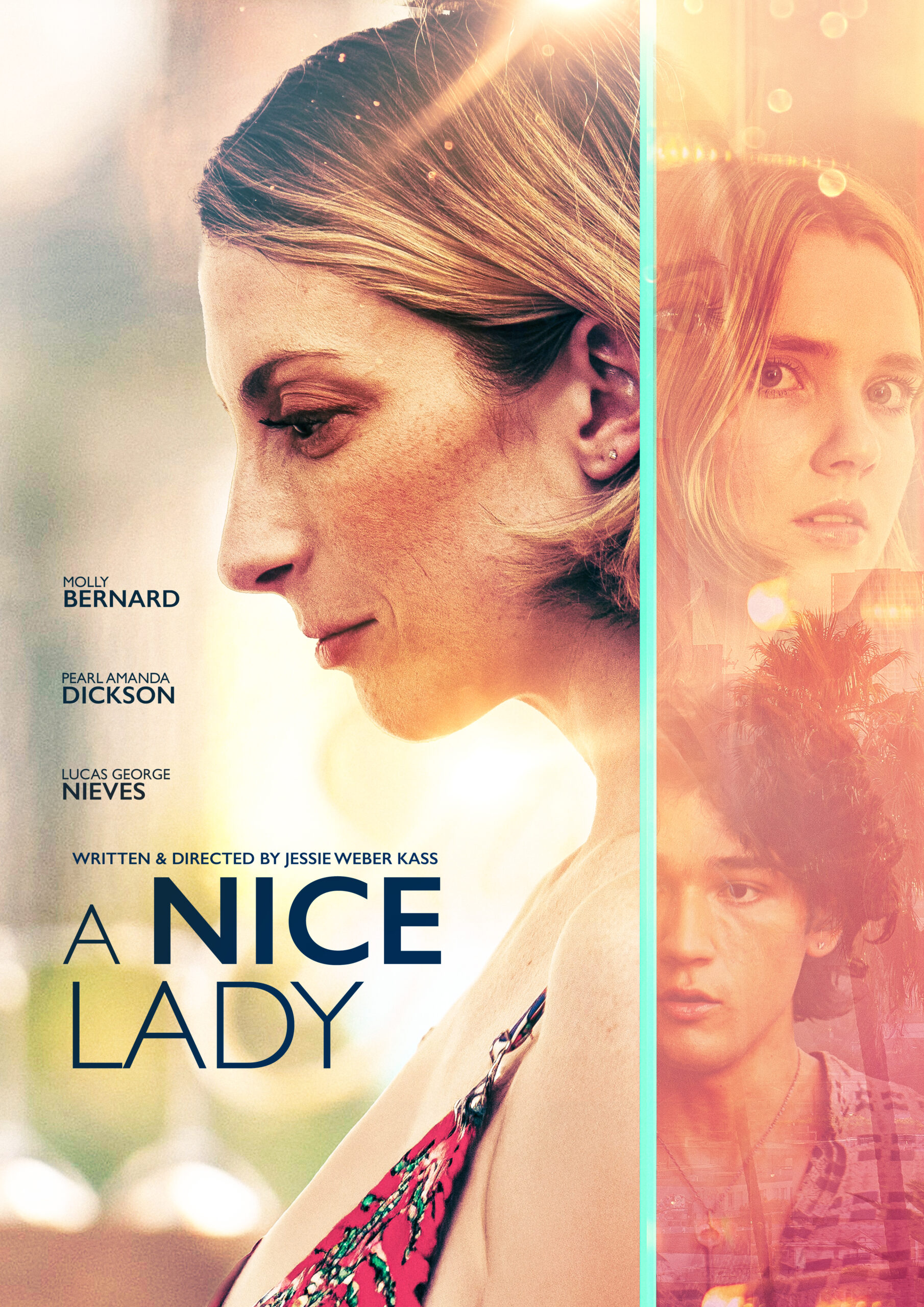
- ‘A Nice Lady’ explores loneliness, obsession, and the sometimes-dangerous lengths people go to in search of human connection. What first attracted you to this story, and what convinced you it was worth investing your time and resources to produce?
Rachel: When my producing partner, Julie Deffet, and I read the script, we were drawn to its portrait of a complicated, flawed woman who’s a bit lost and trying to meet her needs through attention. That’s such a common default, and something I think we all grapple with at times. She’s a character you want to cheer for one minute and yell at the next, and that tension fascinated us. I also loved that the story doesn’t wrap things up in a tidy bow. It arguably leaves things more complicated than they were at the start, which is often how real life goes. All of that made it a story we wanted to help bring to life.
- From a production and storytelling perspective, how did you approach balancing the psychological tension with the emotional vulnerability of the characters in this film?
Rachel: From a production standpoint, we focused on understanding which choices would directly shape the storytelling and set the film’s tone, which is full of psychological tension. The fisheye lens and Steadicam were two key tools. They heightened that tension and kept us anchored in the character’s perspective. At the same time, we made sure to give the actors room to play, which allowed the emotional vulnerability to come through naturally and land even harder on screen.
- Independent short films often have ambitious creative goals but limited financial resources. How was ‘A Nice Lady’ financed, and what were some of the difficult budgeting decisions you had to make without compromising the quality of the film?
Rachel: Making the budget work without compromising the story is something I’m always thinking about as a producer. When I look at the budget and its constraints, I work closely with the director to understand what each scene needs to convey, whether that’s a feeling or a plot point that moves the story forward, so we can find a way to make it work without sacrificing those essential elements. For example, in the scene where Zephyr (Luke Nieves) saves Molly Bernard’s character in Central Park, she was originally supposed to be nearly hit by a car. Once we talked through the stakes of the scene and what it needed to achieve, we realized a cyclist would have the same impact while being much cheaper and easier to pull off.
- Also, what challenges did filming in New York present, particularly regarding locations, permits and scheduling? And what was the process of resolving these challenges like?
Rachel: We were lucky to work with a few locations that were incredibly generous with their spaces. The outdoor scenes were trickier, but here’s a hot tip: you can get a free permit to shoot in New York City parks, as long as you give the city enough time to approve it. Shooting in McGolrick Park in Brooklyn and Central Park in Manhattan turned out to be very affordable options. They came with their own challenges, of course. We couldn’t control the sound or the weather, and we had to make sure there were places for people to use the bathroom and for actors to change. But all of these can be resolved with the right preparation in pre-production. Balancing schedules is always tricky too, but we had a great AD who worked magic to fit everything into our four-day shoot.
- The story deals with emotionally complex characters whose actions may not always be easy for audiences to understand or sympathize with. How was the casting process to find the right actors to interpret these characters?
Rachel: We worked with a wonderful casting director, Stephen Vincent, who brought us actors who connected deeply with the story and with our director Jessie’s vision. The characters posed fun challenges for the actors. They’re complicated, messy humans, as we all are, and there’s something exciting about diving into those parts of the human experience and really leaning in. All three of our leads did that exceptionally well.
- ‘A Nice Lady’ had its festival premiere at The Chain Film Festival and has gone on to screen at numerous festivals. Why was that festival an important starting point for the film, and what considerations went into planning its festival rollout?
Rachel: We loved premiering at The Chain Film Festival. The team is incredibly kind and supportive of filmmakers, and they do a wonderful job curating their shorts programs. We met some great filmmakers whose shorts screened in our block. It was important to us to premiere in New York City, since the film is set here and the city plays a character in its own right. Much of our cast and crew is also based in New York, so it was special to have so many of them come out and see the film on the big screen. From there, our strategy was to target a mix of regional, national and international festivals, with a focus on those that champion women-led and women-centered stories. We were lucky enough to screen all over the country and even at a few festivals in Europe.
- How would you describe the audience reception of the film so far?
Rachel: The audience reception has been really positive! The film is now streaming on Film Shortage, so people who couldn’t make it to a festival screening have been able to watch it at home. Jessie and I have received some lovely notes from viewers telling us how much they enjoyed it, along with their hot takes on who the real villain of the film is. It’s always fun to hear different perspectives and see how people view the film through their own lens. We’ve also been thrilled to see the film recognized on the festival circuit, winning Best U.S. Short at the Panther City Film Festival and Best Actress for Molly Bernard at the Grove Film Festival.
- Lastly, if you could share any advice for any new filmmaker looking to take that path of being a producer, what would that advice be?
Rachel: I think the cliché answer, but one that’s quite valuable, is to keep knowing what your “why” is. It grounds you, especially in the thick of production, when things get really hard and making a movie can feel impossible. Whatever it is, there’s a reason we decided to get into production. Writing that down and going back to it from time to time is really important, and it usually gives me the motivation I need when I’m tired and everything feels hard. A more practical piece of advice, which I heard recently from a much more seasoned producer, is to remember that sometimes a problem needs breathing room to be solved properly. That really resonated with me as a person who loves to check things off a list, and when you’re a producer, that list can be incredibly long. Sometimes it’s going to take a few weeks to understand what the perfect location looks like and where it is, and locking something in just to check it off can come back to haunt you. So let some of those unresolved issues take their time, trust yourself and let more information be revealed before you make the final decision.