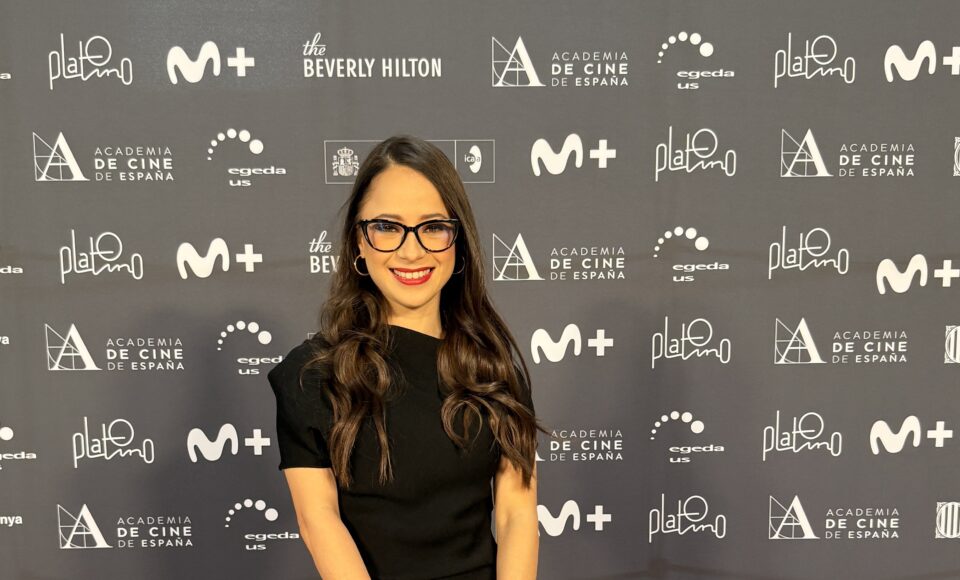
Speaking with Mel Quintans, it quickly becomes clear that her relationship with storytelling extends far beyond the logistics of a call sheet. There is a beautifully emotional, deeply human instinct guiding the way she speaks about cinema, collaboration, and the sacred responsibility of helping vulnerable stories find their footing in the world.
Having begun her creative journey in the expressive realms of theatre and dance before transitioning into film and television, Mel has developed a producing philosophy rooted not just in structure and strategy, but in trust, sensitivity, and true creative connection.
In discussing ‘Two Tears‘, the emotionally intimate short film she produced alongside director Josefina Pieres, Mel reflects on the grit required for independent filmmaking, the beauty of nurturing emerging voices, and why raw, emotionally honest stories continue to matter so deeply in our increasingly fast-moving cinematic landscape.
- Mel Quintans, can you tell us a little about your journey into film and television production and what first drew you to this side of storytelling?
Mel Quintans: My journey started when I was a child through theater and dance. Later on, through theater as an actress, I also discovered directing and producing for the first time.
When I first arrived in the States, my main dream was still connected to theater. But after moving to LA and spending a few years there, film became my new goal. That experience completely changed the way I saw storytelling and the industry.
After that, I returned to Latin America, continued studying and growing professionally, and started becoming part of bigger projects. By the time I came back to the States, I already knew I wanted to be part of the industry from another perspective as well, not only creatively, but also helping bring new voices and stories to life. I think we are entering a very important moment where there is a bigger opportunity to tell stories that truly represent and inspire us.
- Looking back on your early years in the industry, what experiences shaped the producer you are today?
Mel Quintans: Definitely, at the beginning the transition from actress to producer came from wanting to have more control over my career and my decisions. But later I discovered how much I genuinely loved the creative and strategic side of producing.
I’ve always tried to use my time working on projects that help me grow and surround me with people that challenge me creatively and personally.
- When you first encounter a project like ‘Two Tears’, what usually captures your attention? Is it the emotional core, the characters, the visual potential, or something else entirely?
Mel Quintans: Two Tears started from the desire to find the right opportunity to finally collaborate with Josefina Pieres. We had been wanting to work together for a long time. When the possibility of creating this project came up, she, as always, immediately said yes and created this beautiful story that I connected with instantly because parts of it felt very close to my own background and experiences.
At the same time, I already had my producing partner Israel Consuegra on board, and from there we started building the project together and surrounding ourselves with an incredible team. For me, projects are always about the people behind them as much as the story itself.
- In the making of ‘Two Tears’, what did you value most in the entire creative process?
Mel Quintans: As a creative producer, I really enjoy being involved in projects where I can bring my point of view to the table. I genuinely believe I add value creatively, not only operationally, and Two Tears gave me the space to do that.
I honestly loved every part of the process. I always say there is one movie in the script, another during production, and another one during post-production, and that’s where I think the relationship between director and producer grows the most. For me, post-production is probably the hardest part, but at the end it’s always about putting the project first and learning to let certain things go for the good of the film.
- Producing a film in just three days requires immense coordination and trust. How did you and the team maintain that emotional sensitivity under such tight constraints?
Mel Quintans: That’s where having the right team becomes everything. Israel was extremely important in making the production side run smoothly, so I never felt the set becoming chaotic. The same goes for our production coordinator Liz and our AD. When you trust those three people, you can actually relax a little during production days. For me, I like being close to the director, the actors, and the emotional side of the process. Even with the pressure and the tight schedule, we tried to create an environment where everybody still felt connected to the story we were telling.
- As a producer, what excites you most about discovering and nurturing emerging creative voices both on screen and behind the camera?
Mel Quintans: That’s honestly one of the things I love the most about this job. I love seeing talented people grow and feel fulfilled creatively.
At the same time, I’m also very demanding. I care a lot about the process, the details, and pushing projects to be the best version they can be. I think you can lead with kindness and respect while still having very high standards.
- Also, how do you balance the creative vision of a filmmaker with the practical realities of production?
Mel Quintans: It’s hard. As a producer, and also through years of working closely with independent filmmakers and emerging creatives at the beginning of their careers, I’ve seen many amazing projects never make it into production. And that can be very frustrating sometimes. Ideas come and go constantly.
Even now, working in scripted content at NBCUniversal Telemundo Studios, I still see how difficult it can be for projects to move forward, no matter the size of the company or the market.
But I think the important thing is to keep pushing and adapting. The good part about producing is that every step of the process becomes an opportunity to be creative, even when solving practical problems.
- How important would you say international co-productions are today for emerging Latin American filmmakers?
Mel Quintans: Very important. Honestly, I think international co-productions are one of the things sustaining the market right now, especially for emerging filmmakers.
They create opportunities for financing, visibility, collaboration, and for stories from our region to travel further.
- From your perspective as a producer, what do emotionally intimate films like ‘Two Tears’ offer audiences in today’s cinematic landscape?
Mel Quintans: For me, this is a film for sensitive people. It’s a story that invites you to question yourself, your childhood, your relationships, and even your connection with your own children.
I think intimate films remind audiences of emotions and conversations we sometimes avoid in everyday life. They create space for empathy and reflection.
- Lastly, what’s the biggest lesson you’ve learned from handling projects from development into production that you would like to share with aspiring producers?
Mel Quintans: One of the biggest lessons I’m learning is that every project is completely different. There is no perfect formula.
You can prepare as much as possible, but every story, every team, and every production will challenge you in a different way. I think producing is really about learning how to adapt without losing the heart of the project.
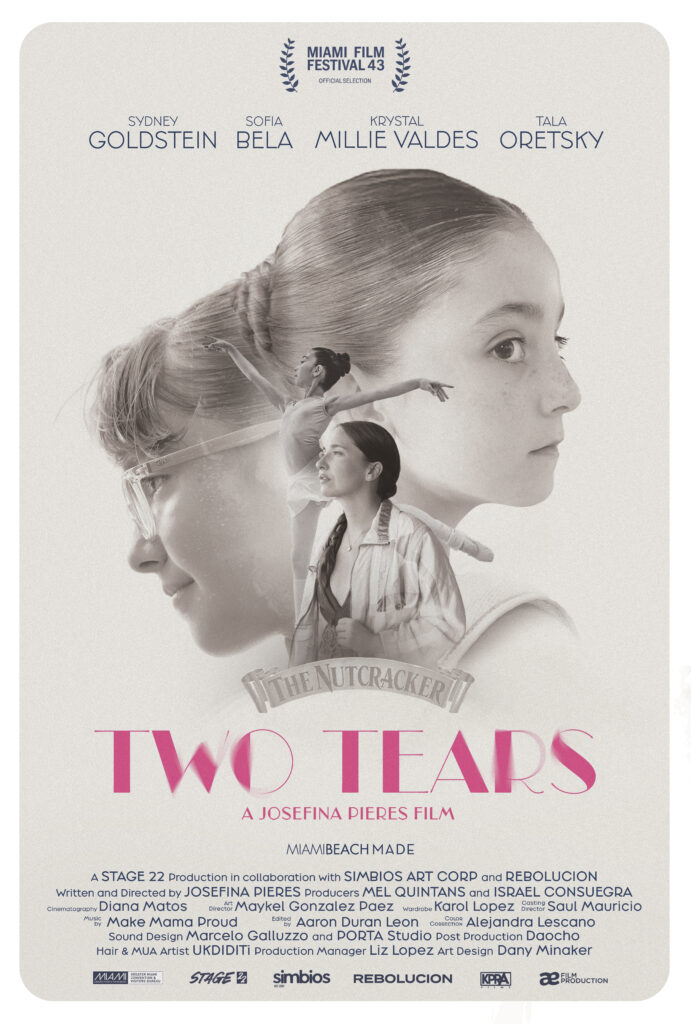
What stays with you longest after speaking with Mel Quintans is her profound understanding that producing is as much about protecting a film’s emotional heartbeat as it is about managing a budget. Beneath the schedules, financing, and constant problem-solving lies a genuine, nurturing commitment to people, to collaboration, and to ensuring that a story retains its soul even through the beautiful chaos of production.
Her reflections reveal a producer who gracefully embraces both the unpredictability and the vulnerability of the creative process, recognising that every project arrives with its own lessons, heartbreaks, and transformations.
In so many ways, her approach beautifully mirrors the spirit of ‘Two Tears‘ itself, sensitive, deeply reflective, and aware that the true magic of cinema isn’t found in perfection, but in connection.