
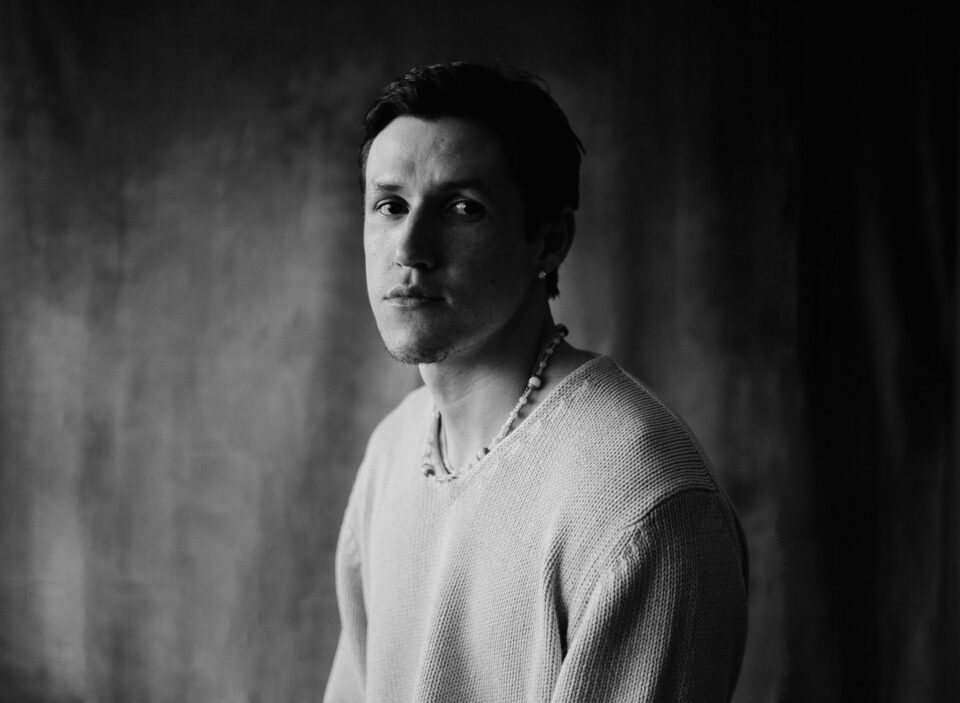
Denzel Vazquez doesn’t need a massive spectacle or cheap emotional manipulation to hit you where it hurts; he does it through pure, unfiltered silence and the heavy, invisible baggage people carry when words finally fail them. In Leap and Soar, the Mexican filmmaker and visual artist delivers a gritty, deeply intimate meditation on grief, memory, and the raw vulnerability of human connection. Drawing hard-earned inspiration from personal fears, his lived experiences in Ciudad Juárez, and the stark pacing of contemplative cinema, Vazquez crafts a film that operates less like a standard narrative and more like a jagged emotional memory suspended in time. In this conversation, he opens up about confronting loss through his art, weaponising vulnerability as a creative language, and why silence, trust, and real human connection became the structural foundation of Leap and Soar.
- Denzel Vazquez, can you tell us what led you to become a filmmaker and what ultimately inspired you to make your latest film, ‘Leap and Soar’?
Denzel: I usually ask myself the same question, my soul seeks to understand itself, its place in this world and in this time. Sometimes I find answers through the simple things in life, going for a walk, spending time with my loved ones. There is other times when I need something transformative to filter out, and here is where art comes in place. Especially filmmaking which is an amazing medium that incorporates different elements and tools. Leap and soar was one of those processes, a chapter in understanding an ache that had been bothering me for a while.
- Your work has been described as “impressionistic and intimate”. How would you personally define your voice as a filmmaker at this stage?
Denzel: I really resonated with impressionistic and intimate. Especially because I love to play with the strokes, strokes that might carry different energy or intentions. I like taking my time with each one. On their own they may not tell you much about the picture but once you step back and take it all in, they show a whole different world.
- Considering how some people might interpret ‘Leap and Soar’, how important is ambiguity to your storytelling?
Denzel: I like ambiguity, I don’t like to be told what to think, I prefer to sit with and idea and develop my own interpretations. I guess I suppose I bring that same belief into my art. I don’t want to force a story into the audience I would rather offer them a color and is up to them how the paint based on their own experiences when they watch the film.
- Your film feels deeply personal. At what point did this story stop being an idea and start becoming something you needed to tell?
Denzel: It all started with me journaling about my fear to death. Death was always present in my life, though friends, family and the reality of growing up in Ciudad Juarez. When I originally wrote it, it read like a monologue. Eventually I felt like I could expand on it, eventually becoming its own separate story.
- How important is ambiguity to your storytelling?
Denzel: I don’t seek definitive answers. I am more interested in the questions themselves and where they lead me. The same is true in my storytelling. Rather than providing clear conclusions, I want to explore the process of searching for a meaning. Answers can feel like endpoints, but I’m drawn to the journey, the pursuit itself, like chasing the sun setting in the horizon.
- How did you navigate the line between personal vulnerability and creative distance while telling this story?
Denzel: I seek vulnerability. I aim to work with and surround myself with people I can be vulnerable with. Vulnerability means honesty, and honesty is tangible. My close circle was crucial in helping me convey that vulnerability. I poured so much of myself into the film, then curated it, and eventually we diluted and shaped it collectively as creatives.
- The film’s tone is incredibly restrained. Can you walk us through your visual approach to achieving that?
Denzel: My first approach to art was through dance. Dance as an art form, allows us to show rather than tell, to be more intentional with our delivery. I carry that till this day. I wanted to portrait something tangible, to explore the sensations, what is felt rather than what’s said.
- There’s a strong sense of trust in the performances in your film. How did you build that safe, creative space on set?
Denzel: I was lucky that most of the actors are very close friends of mine. We rehearsed for months, and around 70% of the exercises never involved speaking. They involved trust, movement, and silence. Along with the actors, we created an exercise we could recreate in different ways, and when it was time to shoot, it was like “remember this exercise? We are going to do it, but with the scene”. And it was always a workspace. Eventually, I was just a witness to their amazing talent and ability to trust the moment.
- Still on performances, what was it about Idalina Leandro that made her instantly feel right for the role of the mother?
Denzel: She was amazing; she was very intuitive with the role. She is not only an actress, but also an artist; painter, photographer, director, producer, mother, wife, and so on. So, I wanted someone capable of being comfortable, someone intuitive when it comes to exploring layers of performing. Not only that, but she would also have millions of stories to tell, as if she lived different lives. The combination of all that is what made it easy to choose her and work with her.
- Finally, for those who have yet to see ‘Leap and Soar’, what would you want them to pay attention to most about this film?
Denzel: I wanted them to take on the journey; hug the ones you love and tell the people you care about how important they are to you. Allow yourself to feel, to be vulnerable, embrace sadness and cherish happiness.
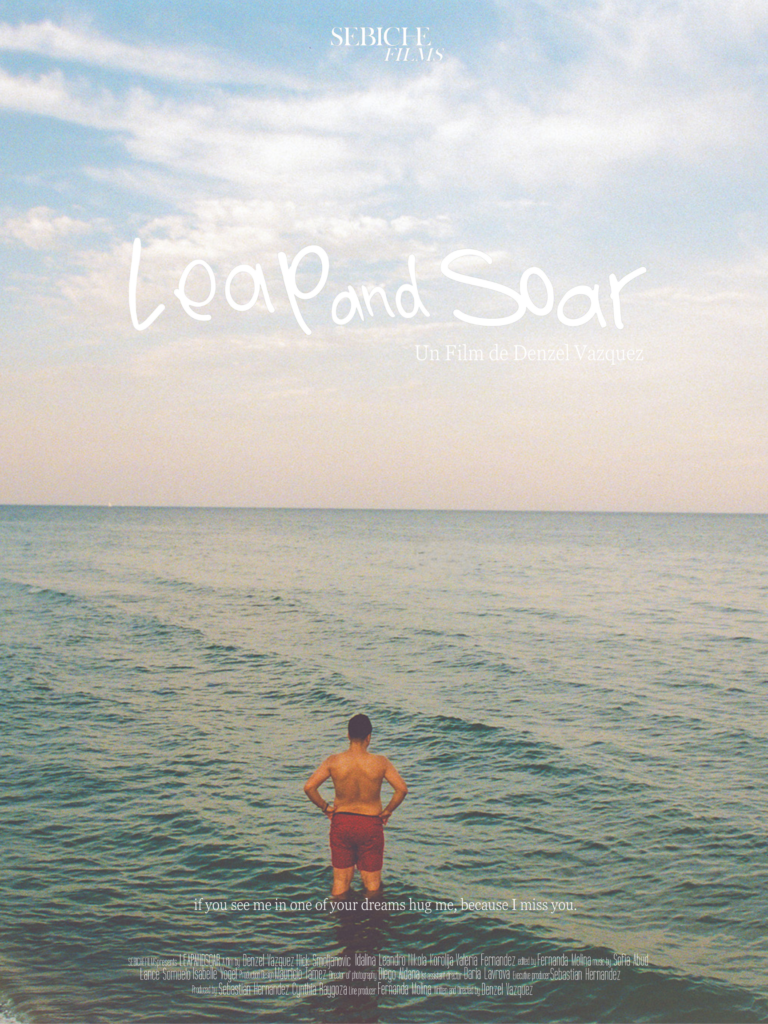
Sitting down with Denzel Vazquez reveals a creator who isn’t just interested in executing a script, but in excavating the brutal emotional truths buried beneath the surface. There is a no-nonsense sincerity in the way he handles themes of art, grief, and memory that perfectly mirrors the heavy texture of Leap and Soar itself. His perspective on silence as a burden, trust as an act of love, and vulnerability as absolute honesty gives the film a psychological depth that stays with you long after the mic turns off. As he sets his sights on future projects and gears up for his first feature film, one thing is damn certain: Vazquez is committed to making the kind of cinema that reaches into the most fragile, unspoken corners of the human experience—the parts we usually struggle to name, but instantly recognise when they hit the screen.