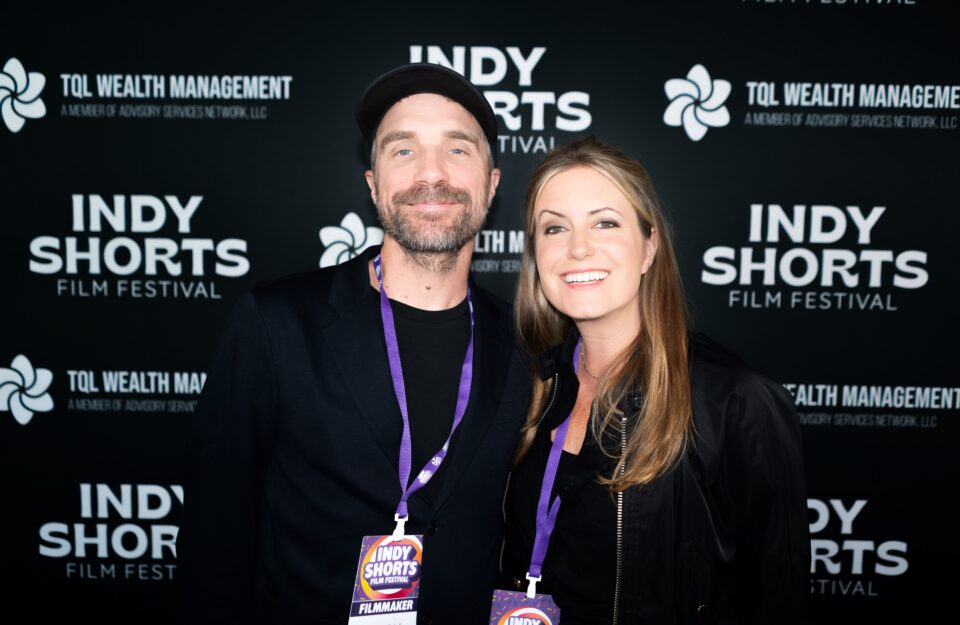
For filmmakers Cassidy Rast and Odin Wadleigh, ‘Body of Work’ is so much more than a documentary about an artist navigating life after a tragic spinal cord injury. It is a deeply moving story about transformation, resilience, identity, and the extraordinary beauty that can bloom when life takes an unexpected path.
Their bond with Eric Anfinson’s journey feels both wonderfully professional and intensely personal, especially for Rast, who found quiet, soulful echoes of her own childhood injury and subsequent healing through art within Eric’s world.
In this heartwarming interview, the creative duo opens up about the sweet beginnings of Body of Work, the sacred trust required to capture such a vulnerable story, their evolving artistic partnership, and how their roots in commercial filmmaking helped craft the documentary’s breathtaking visual elegance, all while keeping Eric’s beautiful spirit gently at the very centre of every frame.
- Body of Work tells a deeply personal story of recovery and reinvention. What first drew you to Eric Anfinson’s journey, and at what point did you know it deserved to become a feature documentary?
Odin: Eric’s story and what he has been through in life is remarkable. What has been taken away from him in life and what he has gone through, I think it’s fair to say most people will never have to experience. For him to come through on the other side of all that and create such beauty and at such a prolific output is beyond impressive.
Cassidy: Through getting to know him and the details of his story, we realised there is such incredible depth to his life, and to fully honour the life he has lived and his legacy, you need more time to share that on screen. Also, there are a lot of limitations to making a short film when trying to share someone’s life story, and with a feature film you can go more in depth and to give the film room to breathe.
- You’ve spent much of your career documenting people from diverse cultures around the world. How did those experiences shape the empathy and perspective you brought to this film?
Cassidy: I have been very fortunate to have worked with a lot of different cultures from all over the globe early on in my career when I was much younger. A lot of the elders who I worked with were regarded as chiefs or authority figures within their communities, and I think through working with them they taught me a lot about patience and perspective and to approach things from a more holistic point of view. I like the subjects to be a part of the creation of their stories and to not have it be where we are only sharing their stories from our perspective as the filmmaker, but to also work to amplify the voices of the subjects and to include them in the storytelling process. I think is very important. I think in regards to this project one of the more personal connections I had to making this film is that I broke my back when I was 14 years old while snowboarding and spent a long time in bed and was not sure what my future was going to look like physically, and it sent me in a direction of the arts at an early age, and a lot of Eric’s story deeply resonates with me on multiple levels, and I think a lot of my passion for sharing this story is connected to that experience I had.
- Your background spans music videos, commercials and branded storytelling. How did those experiences influence the visual language of this film?
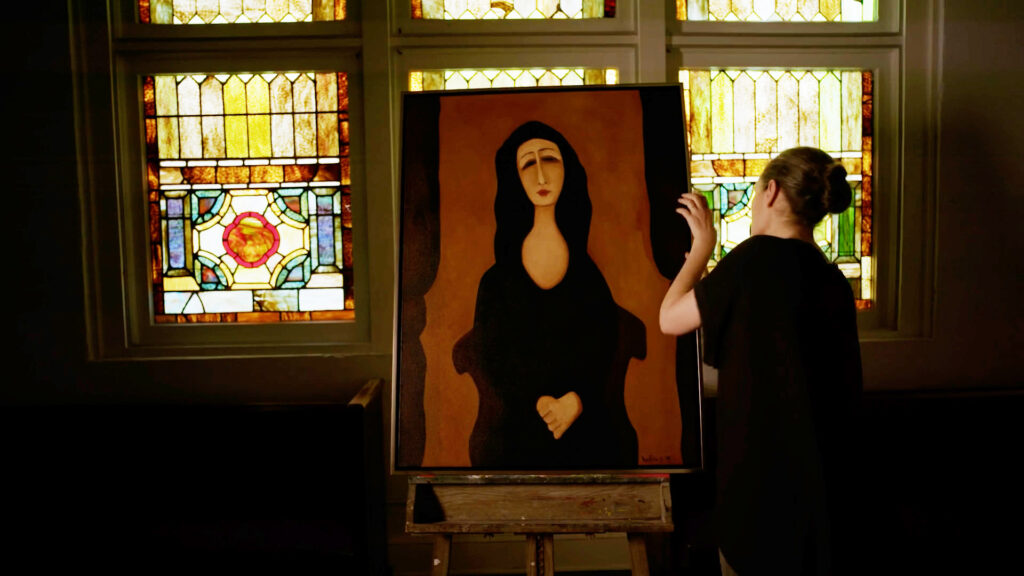
Odin: I’m sure Music videos and commercials, which generally are considered to rely heavily on strong visual language, influenced my approach to the cinematic language of this film somewhat. That being said, we never wanted the visuals to overpower the story or feel out of place to Eric’s character. I think arbitrarily trying to force your own personal aesthetic on a story where it doesn’t fit is a mistake in filmmaking. However, I think Eric being an artist and his life revolving around creating all these beautiful works of art required the language of the film to have a stronger visual signature to match that.
- You both come from strong commercial and documentary backgrounds. What made Body of Work the right project to collaborate on?
Odin: I think we are both attracted to stories about real everyday people. Stories about common people that are forced into extraordinary circumstances are more relatable to us. We also really love the more polished aesthetic of commercial filmmaking and all the fun toys (filmmaking equipment) that come with that. We both have a very similar fusion sort of style and approach to documentaries, which makes this process really enjoyable. We were both trying to balance those two elements.
Cassidy: I think through working in commercial production you learn how to tell stories in a certain way and wanted to apply what we have learned in commercial filmmaking to translate into narrative filmmaking and utilise the power of visual impact.
- How did your creative partnership evolve throughout production?
Odin: We’ve done a handful of projects together now, and it’s a continual process of learning about each other’s approach to filmmaking and storytelling. On this film we’ve evolved and grown quite a bit as filmmakers and the way we work together. I think now we intuitively know when to let one another take the lead on a certain part of pre-production/production and post. There are some elements we know one of us is better at and enjoys more than the other, and then there are other elements we know we both really come together on 50/50.
Cassidy: I agree with Odin.
- As both director and producer, how did you balance the logistical demands of production with protecting the intimacy of Eric’s story?
Cassidy: Being a Producer and Director is always a delicate balance. I originally got into producing when I learned early on in my career as a camera operator that the only way the films I was making were going to be seen was through learning to produce and producing my own projects, and then over the years developed and honed that skill. I think having worked on a lot of other people’s projects and larger-scale productions it has helped to sharpen my ability to balance logistics and everything that comes with managing a production, and I bring that knowledge with me into the independent film world. My goal is to always protect the story and the people who are sharing it and to uphold the artistic creative vision of us as filmmakers as well. It’s definitely not easy but I would say having been put under a lot of pressure cookers on different productions has helped me to operate successfully at this level of independent producing and directing, and has taken me over 15 years to evolve in that regard. With each new project comes a new challenge and learning curve.
- How did you build a relationship with Eric that allowed him to be so open on camera?
Odin: Before we ever shot anything for this film, we spent a good amount of time getting to know Eric. It was important to us to get to know Eric and have him feel comfortable with us before jumping into production. Unfortunately, sometimes in filmmaking you’re forced into rushing into shooting for whatever logistical reason. This film was great though because we really took the time for everyone to get to know each other and get comfortable before we began. We met a couple times in Key West and then continued meetings over the phone and Zoom before we ever shot a single thing.
Cassidy: I think building the relationship over the phone and through Zoom calls really helped and allowed us to connect with Eric, and we realised we all had a very similar mindset and overall connection, which helped the process.
- Looking back, was there a particular interview or filming day that fundamentally changed your understanding of Eric’s life?
Cassidy: I would say that it wasn’t one day that changed my understanding. Eric is such an incredible person and has so much depth, and I feel like I am always learning something new about him.
- As editor, you were shaping decades of one person’s life into a coherent emotional journey. What proved to be the biggest editorial challenge?
Odin: We shot a lot of footage for this documentary. Eric gave us so many stories and insights into his life. We also shot a lot of interviews with his friends and family. The biggest challenge of putting it all together was making it short enough to be film festival friendly. When you’re thinking about submitting to festivals, you unfortunately have to be very aware of the total running time of your piece. It’s much easier to get programmed in a short film block if you have a film around 10-15 minutes. Our film is 25 minutes. There were so many aspects of his life and story we wanted to include. We started to realise that to give justice to his story, you could easily fill a standard theatrical 90-minute length.
- Having completed “Body of Work”, how has this experience changed the kinds of stories each of you now feels compelled to tell?
Odin: Working on this film with Eric really makes me want to just push even farther into stories about people rising to the challenges of life. I like the idea of exploring how people adapt to change in different ways. Completing this film and looking back on it and having to sum it up simply, I think it’s a story about change. I’d like to explore that further on different levels with different people from all different walks of life. I also like the idea of looking at change on the micro and macro scale. We are all experiencing change at some level.
Cassidy: Creating this film has been an incredible honour and journey and has returned me to my core as a filmmaker, which is to share stories of real people and to share stories of voices that have yet to be heard and to connect people through storytelling.
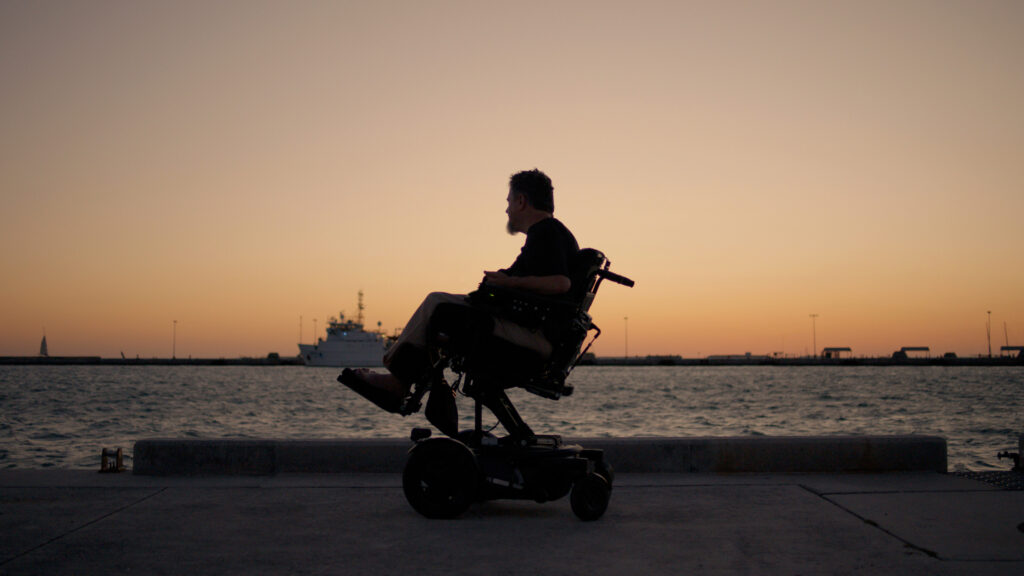
When our conversation comes to a close, it is abundantly clear that Body of Work has left an indelible, beautiful mark on the very hearts of the filmmakers who brought it to life.
For Wadleigh, walking alongside Eric’s journey has deepened a passion for capturing stories of human resilience and the graceful ways we adapt to life’s hardest turns.
For Rast, this profound experience served as a loving reminder of why she fell in love with cinema in the first place: to build bridges between souls through authentic human stories and to lovingly amplify voices that deserve to be cherished.
Their tender reflections prove that Body of Work was never just a project about documenting a life, but a deeply collaborative, human labour of love. One that inspired both filmmakers to look at art, vulnerability, and the human spirit with an entirely renewed sense of wonder.